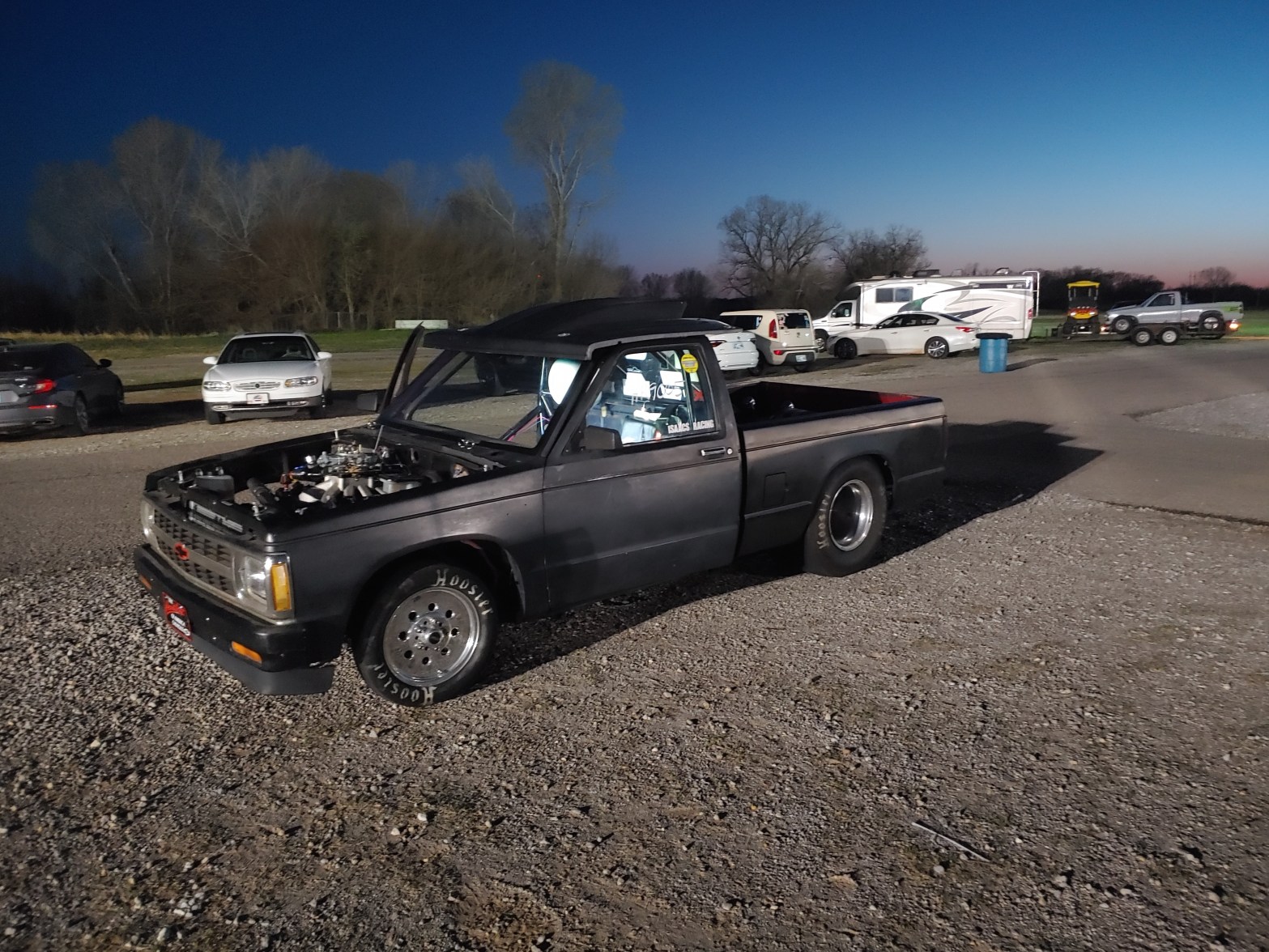
It was a familiar scene. The stench of secondhand smoke hung heavy in the unseasonably warm March air trackside as late model Mopars ran passes well short of their advertised capabilities. I was alone, watching the early birds make passes that can only be described as “high school fast.” Finally, my first associate would arrive in an impossibly minty Buick Regal–one of the Things That Should Not Be. We reconnoitered the area to end back up trackside to watch a turbocharged PT Cruiser outrun an Ecoboost Mustang–another pair of Things That Should Not Be. Unimpressed, we wandered back down to the pits to patiently await the arrival of our contact, a man and his father in a just-loud-enough cateye Silverado pulling a perfectly ugly S-10 pickup.
Continue reading “Nitrous Refills and Never Enough Grip: The Pursuit of the Drag Racing Dream”Honda GB500: The Perfect Motorcycle at the Most Inopportune Time
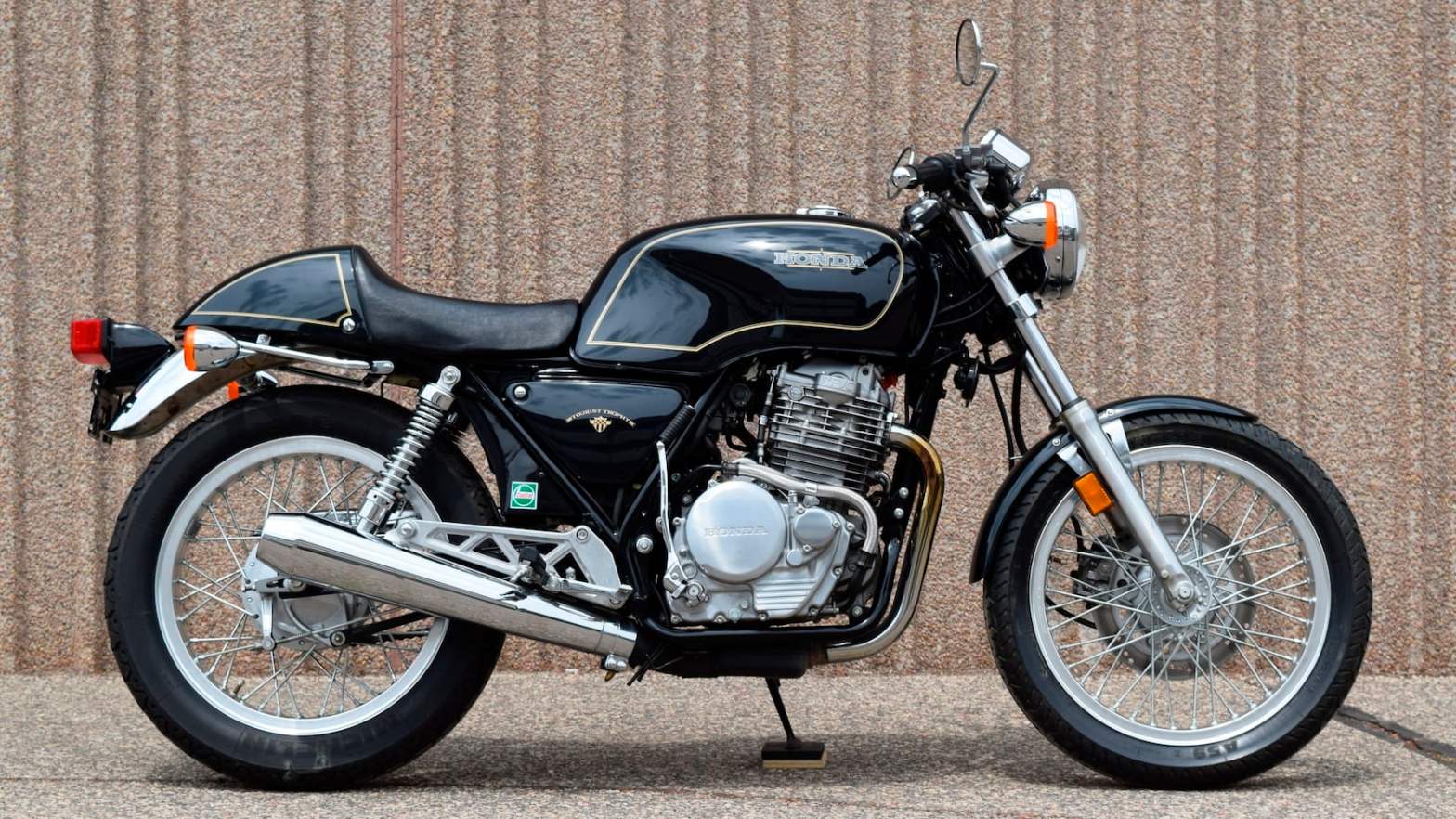
Feast your eyes on what is, in my opinion, the most beautiful mass-market motorcycle ever sold in America: the 1989-90 Honda GB500 Tourist Trophy. The GB500, introduced to the Japanese market in 1985, didn’t arrive on U.S. shores until 1989, and represented an idea in motorcycling that was sort of ahead of its time, despite being based on components as old as 1979.
Continue reading “Honda GB500: The Perfect Motorcycle at the Most Inopportune Time”A Mid-American Saturday Night: Dirt Track Racing and the Last Bastion of Grassroots Motorsport

It’s no secret that racing is an expensive endeavor–to the point of cliche. But there are a few remaining pockets of truly accessible racing that exist in the United States today, of which (in the author’s humble opinion), the best is the simple, down-and-dirty local dirt oval track. Screaming V-8 motors, wheel to wheel (and sometimes open wheel) action, and sliding. So much sliding. Sliding through all four turns to the point one can’t tell where the straights actually begin or end. It’s a lot like if NASCAR and Formula D had a redneck stepchild, and then it had a teen rebellion where it got a nose ring and colored its hair green.
Continue reading “A Mid-American Saturday Night: Dirt Track Racing and the Last Bastion of Grassroots Motorsport”Early EFI Chronicles: Bendix Gets a Second Chance
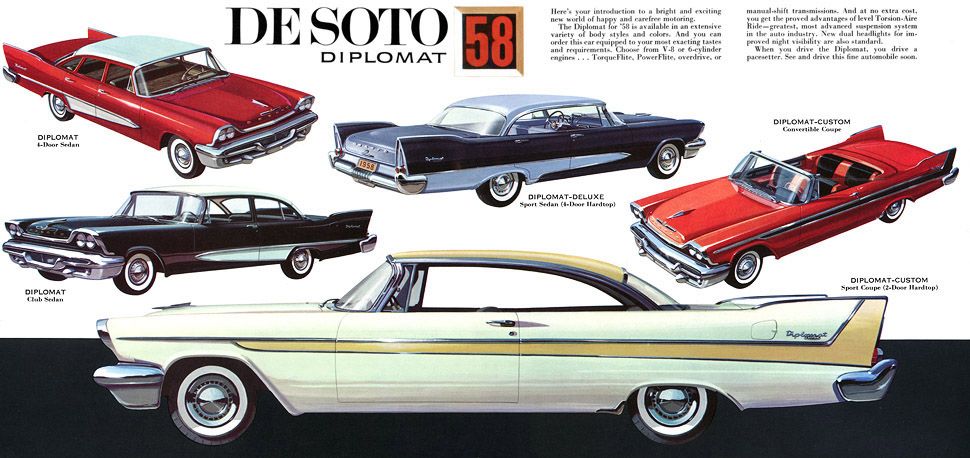
Chrysler in the late 1950s was giving the future a “Forward Look”–in more ways than one.
After the failure of Rambler to bring an electronic fuel injection system to market in 1957 in our last entry of Early EFI Chronicles, you may have expected Bendix to throw in the towel in the automotive EFI arena of the late 1950s. The situation with Rambler seemed too good to be true–the car would have been the fastest production car in 1957, was priced affordably, and was backed by a real effort to promote performance in the Rambler brand. And yet, it still failed to launch.
Continue reading “Early EFI Chronicles: Bendix Gets a Second Chance”Air, Water, and the Re-Imagined Legacy of Honda Motorcycles
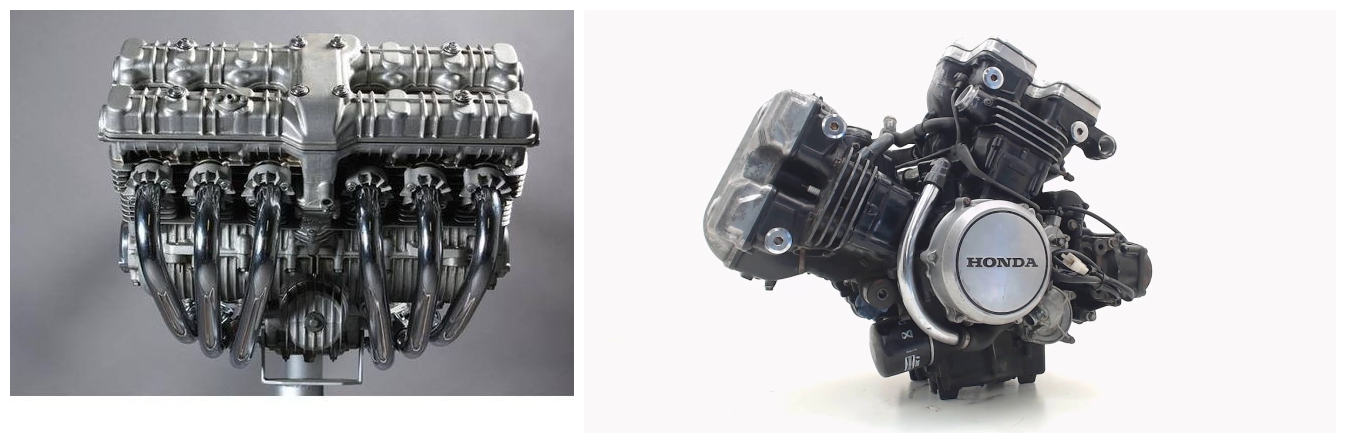
Honda revolutionized motorcycling as we know it with the introduction of the the Universal Japanese Motorcycle, or “UJM” for short. The premise is simple–consumers should be able to buy one motorcycle that can do everything, and it should do everything well. A UJM needs to be nimble enough to navigate city centers in traffic, but large enough to be viable highway transportation. A UJM should have a suitably sporty suspension, but be compliant enough to allow for an entire day of riding. A UJM has to be an easy-to-ride first motorcycle, but leave enough of a challenge to encourage rider improvement. And on top of all that, a UJM must be cheap to run and easy to take care of. In 1969, Honda released the ubiquitous CB750 inline-four cylinder, air-cooled, Universal Japanese Motorcycle as a vehicle that they could sell in virtually any market on the planet. And sell it did, to the tune of over 500,000 units in the original 9-year production run.
Continue reading “Air, Water, and the Re-Imagined Legacy of Honda Motorcycles” Burnt Clutches