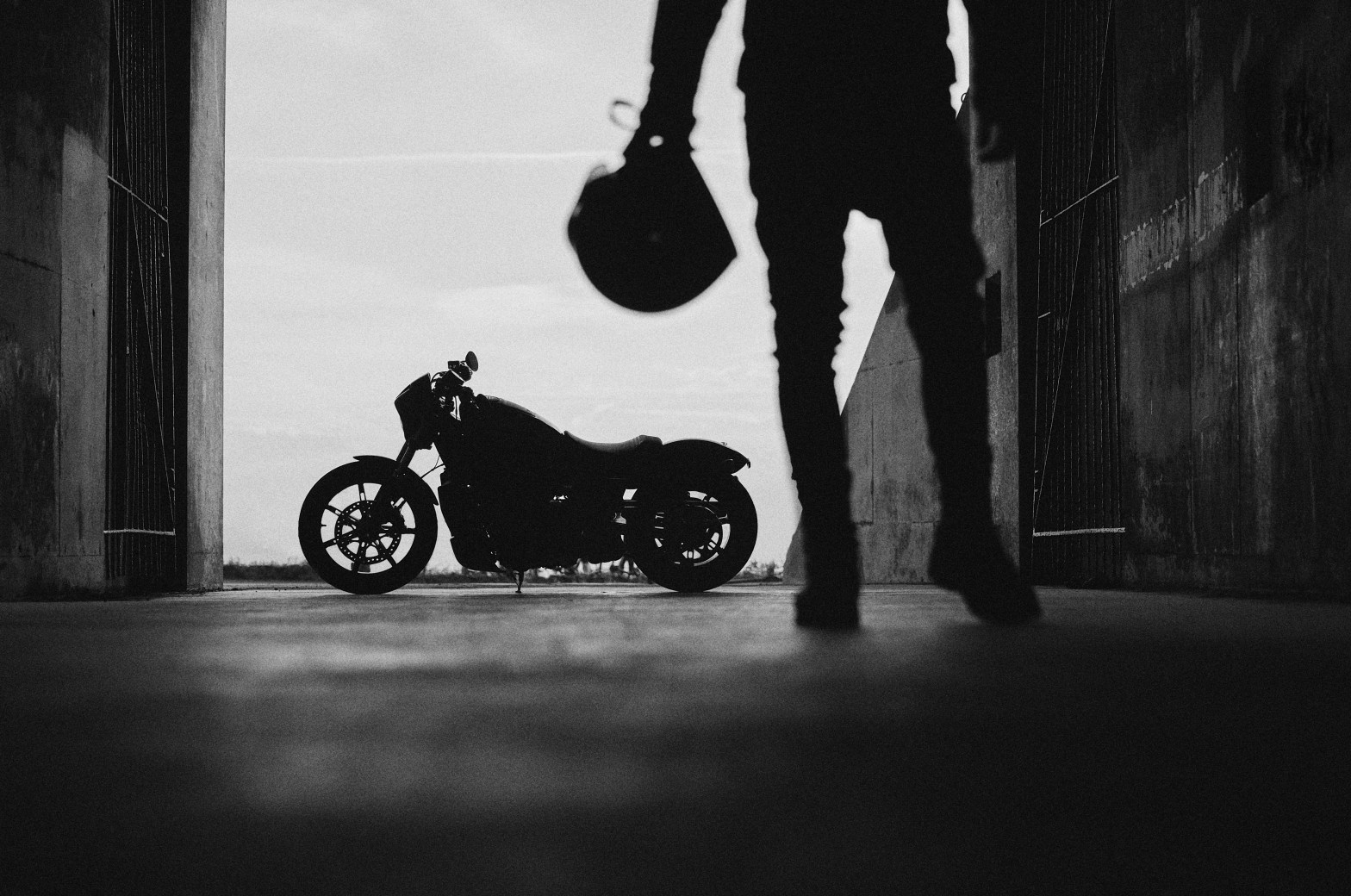
I promise not every Weekday Wheelhouse will revolve around Harley-Davidson, but currently the MoCo is at a sort of crossroads, and every one of their market moves can either pay dividends down the line or represent a significant misgiving that could tank an American icon.
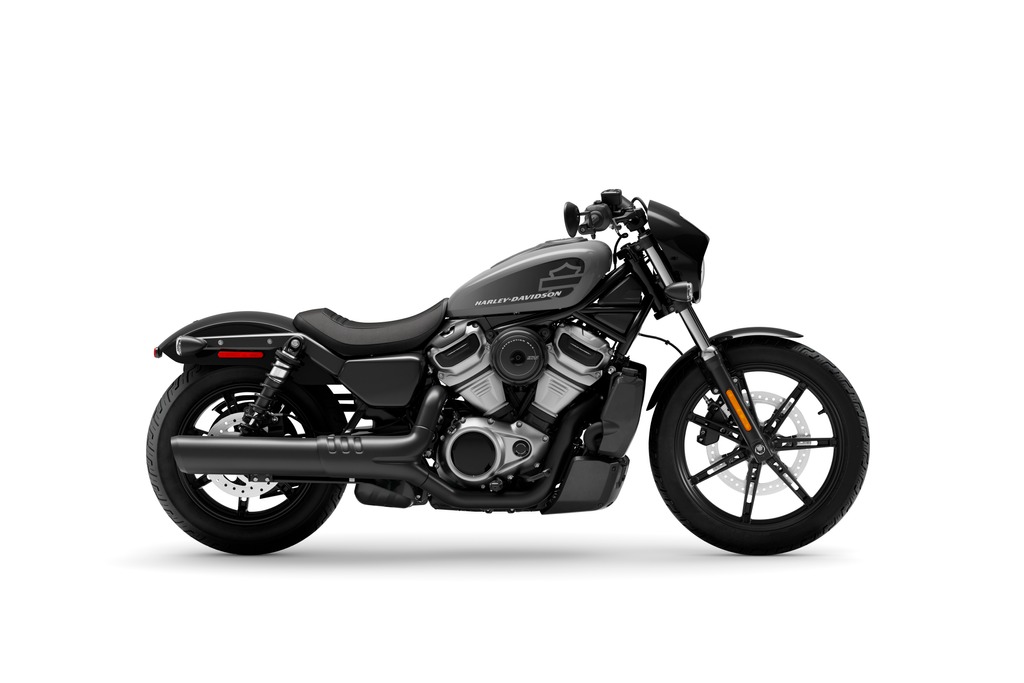
Last we heard from Harley-Davidson, they were unveiling the potentially Revolution-ary Sportster S, I lamented the end of days for the XL Sportster chassis and venerable Evolution engine, and we all pretty much just ignored the “new” Lowrider S announcement in the meantime.
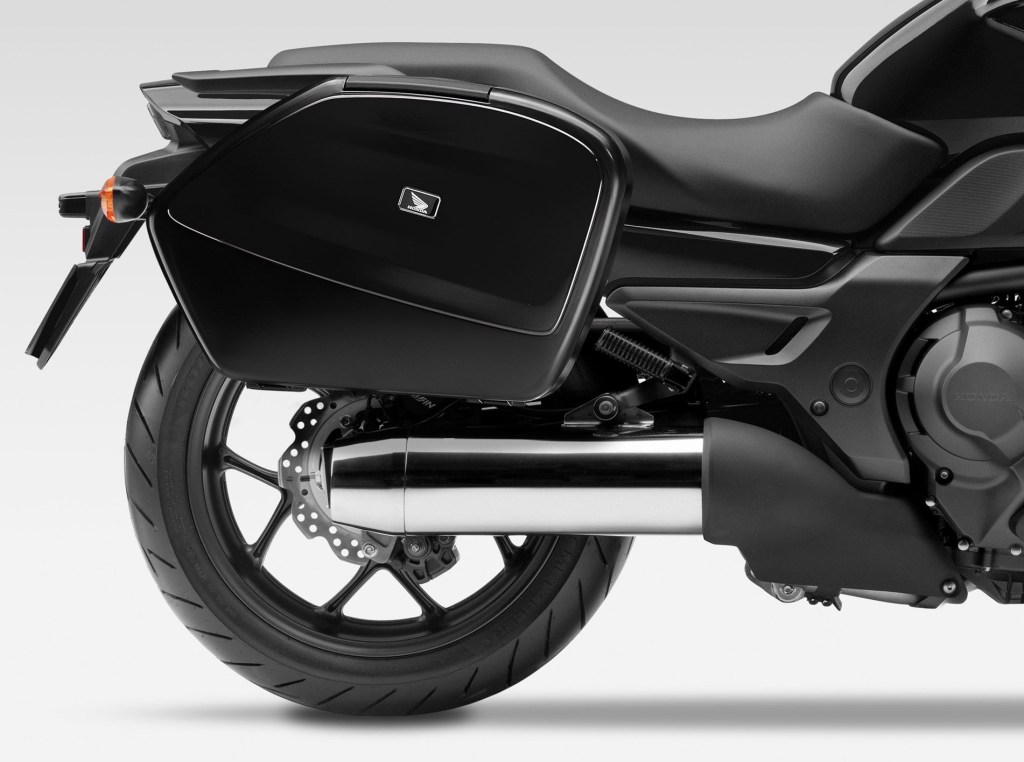
For those not constantly plugged-in to the daily moto news cycle, H-D unveiled an all new Revolution-based Nightster on April 12th. Featuring much more traditional Sportster styling than the Sportster S rocket ship that debuted in 2021, the Nightster looks like some combination of a late-model Sportster 1200N (the original Nightster), the “all new” 2022 Lowrider S, and weirdly enough, has just a touch of Honda CTX flavor at the tail section. The new Nightster appears to be sized, proportioned, and ergonomically fitted more closely to the XL-chassis Sportster we’ve come to know and form opinions about over the last several decades, possibly getting closer to appeasing bar-and-shield traditionalists. A traditionally styled peanut “tank” airbox cover remains, despite the fuel tank’s new location under the seat hidden behind a faux-oil tank side cover. A few tricks left over from Erik Buell, I suppose.

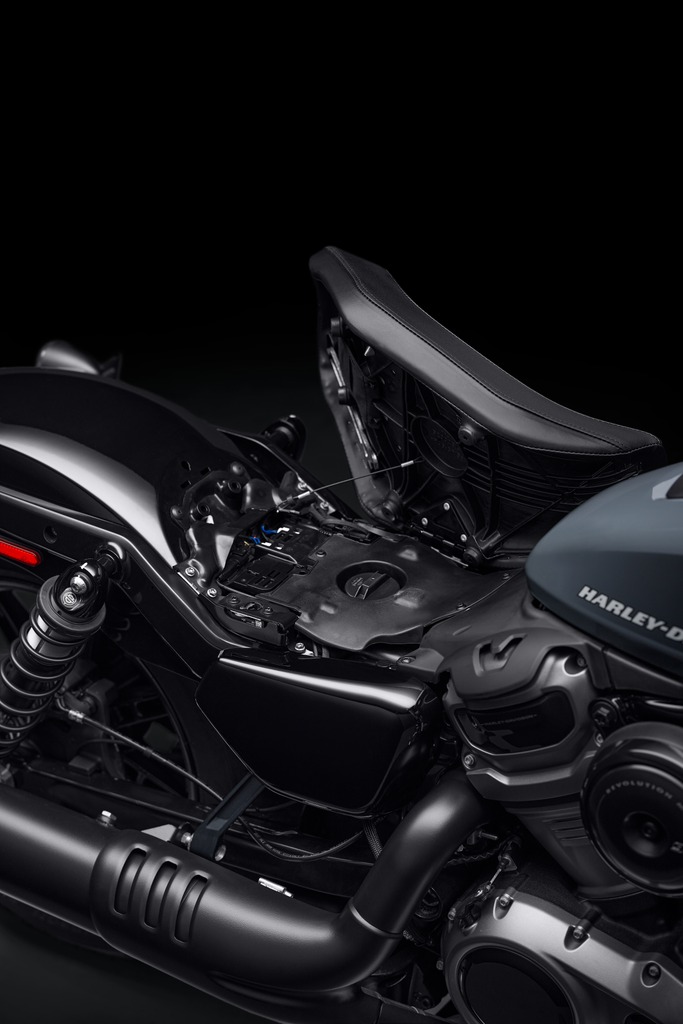
Ergonomically, the Nightster retains some of the ergonomic features that made the XL Sportster the “sporty” Harley and go-to beginner bike for the air-cooled 45° squad for generations. Low seat height, mid controls (which I’m sure will be quickly converted to forward controls via a phonebook-sized accessory catalog), and neutral handlebars continue to tell the story about the Nightster being the “real” replacement for the XL Sportster. From a distance, I wager most wouldn’t be able to discern the Nightster from the old Sportster.

However, the real centerpiece of the Nightster reveal is the long-awaited intermediate Revolution Max engine, the 975T. Like its larger Revo Max 1250T brethren, the 975T features a 60°, liquid-cooled V-Twin. If you’re not a cooling fin fetishist, you might find the motor to be attractive, with the liquid-cooled design allowing designers to place standout satin accents on the cylinder jugs that complement the dark Nightster trim nicely. Like the currently-produced 1250T, the Nightster motor is a similarly feature-rich motor, with variable valve timing and maintenance-free hydraulic valve lifters that H-D owners have happily ignored for decades. The 975T allegedly puts out 90 horsepower, giving the 81hp Rebel 1100 a tough matchup on the street, although the power premium also correlates with a cost premium of around $3k over the decidedly less attractive Honda. Keeping with the theme of increased performance, the new Nightster allegedly weighs ~75 pounds less than the outgoing 1200 Sportster as well, although most motorcycle manufacturers fudge their wet weight numbers.

All that is great. The 2022 Harley-Davidson Nightster appears to be a good motorcycle, at least on paper. There’s likely the right mix of style and performance to bring in non-Harley owners who are looking for all the flash of the traditional MoCo experience (moreso than the Revo Max 1250 Sportster S), but with the performance only a modern liquid-cooled twin can produce. The Nightster seems like it could finally resolve some of the same old “not a real Harley” discussion, seemingly championed by Street Glide and Dyna owners, that ultimately scares Harley’s newest target demographic away from the dealership, motorcycle events, and sometimes even motorcycle ownership altogether. The low seat height (27.8″) and standard mid controls retain approachability for a wide range of rider body types.

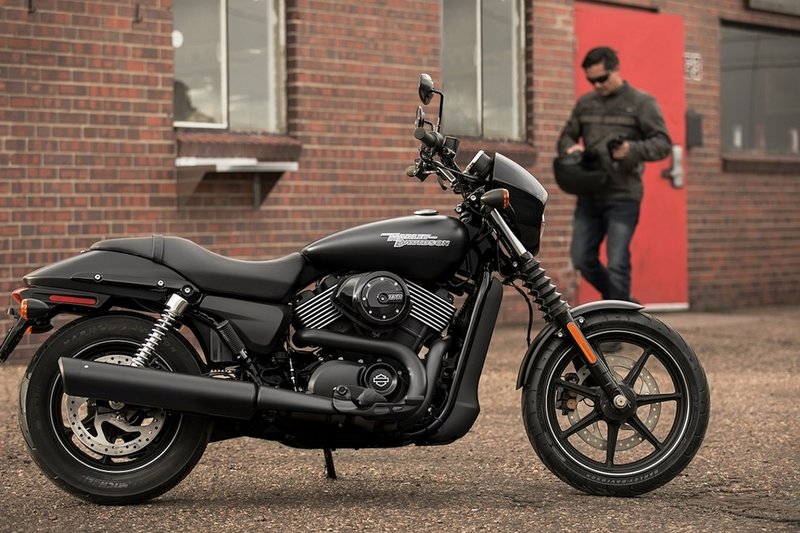
The Nightster is a move in the right direction, but still leaves plenty of questions of where Harley-Davidson is headed. There is still a distinct lack of a “first bike” in the H-D lineup once the traditional 1200 Sportster is no more next year. While the Nightster has the features, ergonomics, and appearance of a motorcycle for a new rider, the power of the Revo Max 975T (90hp) and price ($13,499 base) begin to quash that notion. This is not a motorcycle that dealers can use for their parking lot new rider courses like the discontinued Street 500 and much maligned Buell Blast. Will it make sense to further downsize the Nightster? Recent history would suggest that the answer is negative. The Street 500 and 750 series (also considered part of the “Revolution Max” engine family) were dismal failures. Relatively poor build quality, unwillingness of dealers to market them, and non-competitive cost-to-performance ratio as compared to its market foes sealed the fate of the Street 500 and 750 as complete non-starters. Why should the Nightster be any different? Maybe the more traditional styling is enough to save it?
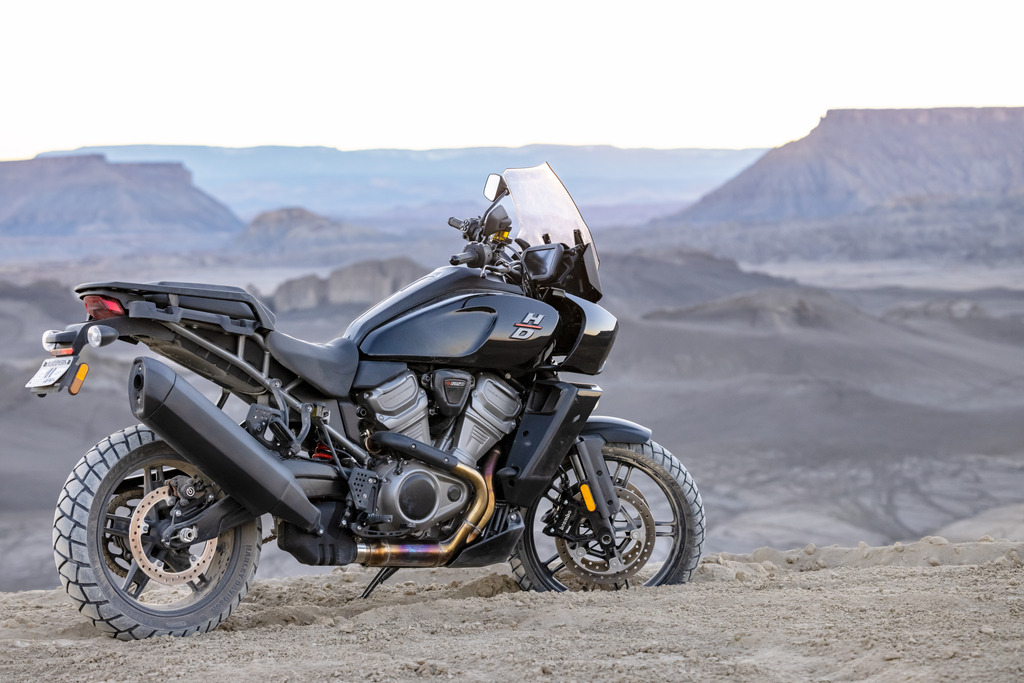
On the other hand, I am very excited about what the official release of the Revolution Max 975T means for the future of Harley-Davidson’s lineup. Should the Nightster have success, it would seem that the stage is set for the long awaited Bronx concept to become a reality, which is much more likely to bring fresh blood into the Harley-Davidson ecosystem, and (with some motor tuning) would compete nicely with Honda’s newly announced parallel twin, 100hp Hawk 1100. More exciting to the author, however, is the suggestion of a less powerful, less expensive, and (most importantly) lighter Pan America 975. Should H-D release an intermediate adventure bike to supplement the full-size 1250 Pan America at a price point similar to other middleweight adventure rides (think KTM 890, BMW F850GS, Moto Guzzi V85TT) in the next few years, well yours truly might even be inclined to trade in a certain blue Kawasaki Versys to enter the halls of Harley-Davidson himself.
While any prescient view of Harley-Davidson is certainly not a perfect one at this juncture, the Nightster has the capability of injecting a lot of new life into the MoCo should the market (non-Harley owners and Softail riders alike) respond to this peace offering of sorts with sustainable sales numbers. H-D seems to finally have it figured out in terms of trying to make inroads between new buyers and its traditional consumer base, but is it already too late? Does Harley-Davidson have enough time to properly roll out an all-inclusive line of Revolution Max-powered motorcycles?
We may just find out in a future edition of Weekday Wheelhouse.



 Burnt Clutches